
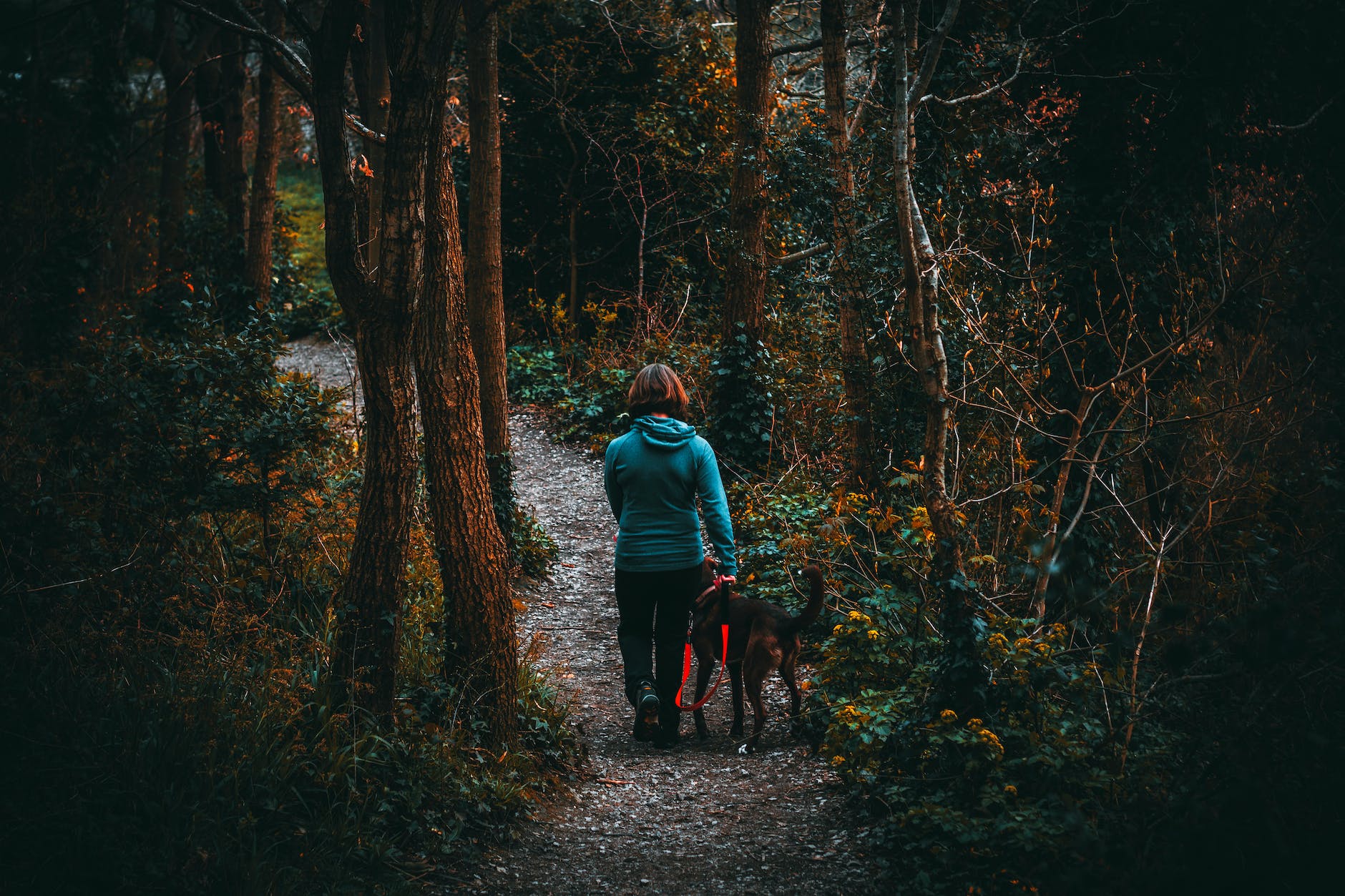
For many years now, I’ve embraced walking not just as a means of getting from point A to B but as a profound holistic health strategy.
My personal philosophy is: if it takes about an hour to reach a destination by foot, I choose walking.
This intentional choice has become a transformative journey, a practice of mindfulness that extends beyond the physical act.
In the rhythmic cadence of each step, I discovered more than just a mode of transportation. Over the years, walking has been my compass, guiding me towards enhanced well-being, creativity, and deeper connections.
It’s a practice that has woven itself into the fabric of my daily life, shaping not only my physical fitness but also my mental clarity and emotional resilience.
Countless ideas have found their genesis during these walks, as if the movement itself breathes life into creativity. The simple act of putting one foot in front of the other has unlocked doorways to inspiration and innovation.
I’ve written about the benefits of walking here.
One surprising aspect of walking I’ve found is how it can help improve relationships. My husband and I can basically thank walking for why we are still together. I’ve also shared walks with other important people in my life to have important conversations.
Conversations take on a new depth when set against the backdrop of nature. If I seek a conducive dialogue with someone, we embark on a walking journey. The shared experience of mindful walking not only strengthens the body but also forms the foundation for stronger, more meaningful connections.
We use this time to talk about the things important to us and our relationship. Sometimes, the conversation is surface, but more often than not, we dive into important topics and reach depths we wouldn’t reach if we hadn’t been walking together.
Walking mindfully in the woods
While mindful walking can take place anywhere, walking in the woods has a certain quality I encourage you to explore if you can.
Being in any sort of nature (think: green, birds, trees, flowers—even if singular in number) is highly beneficial, so even a walk in the park or the tree-lined (even if it’s one tree) street will do.
But if you can, try walking in a forest…
As we step onto the forest path, the benefits of mindful walking intertwine with the whispers of leaves and the soft crunch of earth beneath our feet.
Nature becomes our silent guide, offering a myriad of advantages that elevate the practice beyond physical exercise.
1. Stress reduction and mental clarity
In the heart of the woods, stress seems to dissipate with each rustle of the leaves. Research has shown that exposure to nature significantly reduces cortisol levels, the hormone associated with stress. The soothing sounds and green surroundings create an environment conducive to mental clarity, allowing thoughts to flow freely and unhurried.
2. Connection with the present moment
Walking in nature serves as a portal to the present moment. The intricate dance of sunlight filtering through leaves, the gentle hum of insects, and the earthy fragrance of the forest engage our senses, anchoring us firmly in the now. This heightened awareness fosters a sense of presence and mindfulness.
3. Enhanced creativity and problem-solving
Nature, with its boundless complexity and simplicity, acts as a catalyst for creative thinking. Mindful walks in the woods have been linked to increased creativity and improved problem-solving skills. The open spaces and natural elements seemingly untangle mental knots, paving the way for innovative ideas and insights.
4. Forest bathing (shinrin-yoku)
The ancient Japanese practice of shinrin-yoku, or forest bathing, emphasizes immersing oneself in the atmosphere of the forest. Beyond the physical benefits, this practice recognizes the therapeutic impact of nature on our mental and emotional well-being. Forest bathing invites us to absorb the sights, sounds, and scents of the woods intentionally, promoting a deep sense of calm and inner balance.
5. Immune system boost
Surrounded by the phytoncides released by trees, the immune system receives a subtle boost during mindful walks in nature. These natural compounds have been associated with increased natural killer cell activity, enhancing the body’s ability to combat illnesses.
As we walk mindfully in the woods, nature becomes a silent ally, offering a tapestry of benefits that extend far beyond the physical act of walking. In the dance between our footsteps and the natural world, a profound connection is forged, nurturing holistic well-being.
Mindfulness techniques while walking
Below are some practices to try and experiment with during your next walk.
Center your breath
Begin by focusing on your breath. Inhale deeply, feeling the crisp air fill your lungs, and exhale, releasing any tension. Let your breath guide your pace, creating a rhythmic harmony with your steps.
Tune into your senses
Engage your senses fully. Notice the subtle rustling of leaves, the earthy scent of the forest, and the warmth of sunlight on your skin. Let each sensation become an anchor, grounding you in the present moment.
Walking meditation
Transform your walk into a moving meditation. As you take each step, bring attention to the sensation of lifting your foot, moving it forward, and placing it back down. Maintain a gentle, unhurried pace, synchronizing your steps with the natural flow around you.
Gratitude steps
With each step, express gratitude for the beauty surrounding you. Whether it’s the towering trees, the gentle breeze, or the path beneath your feet, let gratitude infuse each step with positive energy.
Body scan
Conduct a gentle body scan as you walk. Start from the top of your head, gradually moving down to your toes, or start from the toes and soles of your feet and gradually move up until you reach the top of the head. Notice any areas of tension or discomfort, and with each step, allow the soothing rhythm to release and relax those areas.
Intuitive walking
Release the need for a predefined destination. Let your intuition guide your path. Trust the subtle impulses that invite you to explore a certain trail or pause to observe a natural detail. Embrace the spontaneity of your journey.
Mantra walking
Choose a mantra or affirmation that resonates with you. Repeat it silently with each step, syncing the words with your breath and movement. This mindful repetition can bring focus and clarity to your thoughts.
Visual meditation
Fix your gaze softly on the surrounding scenery. Allow your eyes to rest on the colors, shapes, and textures of nature. Let your visual observations become a meditation, immersing yourself in the visual poetry of the outdoors.
Incorporate these mindfulness techniques into your walking practice, making each step a conscious and rejuvenating journey. As your awareness harmonizes with your movement, you’ll discover a deeper connection with both yourself and the natural world.
A breathing practice—connect, breathe, walk
As you embark on your next mindful walk, integrate a simple yet powerful breathing practice. This practice combines awareness of your feet with a rhythmic breath count, enhancing your connection to the present moment.
- Begin by centering. Start your walk at a comfortable pace, feeling the earth beneath your feet. Bring your attention to your breath, taking a moment to center yourself.
- Sync your steps and breaths. Inhale gently for three steps, allowing the breath to flow naturally. Feel the air filling your lungs as your feet connect with the ground. Exhale smoothly for three to six steps, releasing any tension with each breath. Adjust the count to a pace that feels comfortable and harmonious with your steps.
- Mindful awareness. Direct your attention to the sensation of your feet meeting the ground. Notice the subtle shifts in weight and the connection between your breath and your steps.
- Adjust for comfort. If three steps feel rushed or six steps feel prolonged, find a count that suits your natural rhythm. The goal is to create a seamless and calming synchrony between your breath and your movement.
- Embrace the flow. Allow this mindful breathing practice to guide your walk. As you continue, let the breath and steps become a harmonious flow, grounding you in the present and fostering a sense of tranquility.
- Enjoy the journey. With each step and breath, relish the beauty around you. Whether it’s the gentle sway of trees, the chorus of birdsong, or the soft rustle of leaves, let the awareness of your breath and steps enrich your entire experience.
By integrating this breathing practice into your mindful walk, you’ll cultivate a deeper connection with each step, fostering relaxation and heightened awareness.
Conclusion—step into serenity, nature awaits
As we conclude this exploration of mindful walking in nature, I invite you to step outside and embark on your own journey. Whether it’s a nearby park, a wooded trail, or a quiet street adorned with trees, nature awaits with open arms.
Embrace the present moment: Allow the benefits of mindful walking to unfold as you synchronize your breath with the rhythm of your steps. Feel the grounding connection with the earth beneath your feet and the soothing embrace of the natural world.
Take a moment today, no matter how busy, to gift yourself the serenity of a mindful walk. Let the gentle cadence of your breath and steps guide you into a state of mindfulness. Whether it’s a brief stroll or a more extended exploration, let nature be your companion in this rejuvenating practice.
Share your experience: Feel free to share your mindful walking experiences in the comments below. How did nature inspire your journey, and what moments of serenity did you discover? Let’s inspire each other to cultivate mindfulness in every step.
If you’ve found this helpful, I’d love for you to subscribe to my Health Tips Newsletter to get implementable health tips on movement, stress reduction, mindset, and so much more. Sign up here.
If you’d like support in implementing any of these health practices (or others), I’d love to be your coach. Schedule a discovery call so we can check if we’re a good fit.





 Train&Rest Coaching
Leave a reply to Say Goodbye to Stress: Easy and Scientifically Proven Ways to Reduce Your Stress Levels – Train&Rest Coaching Cancel reply